
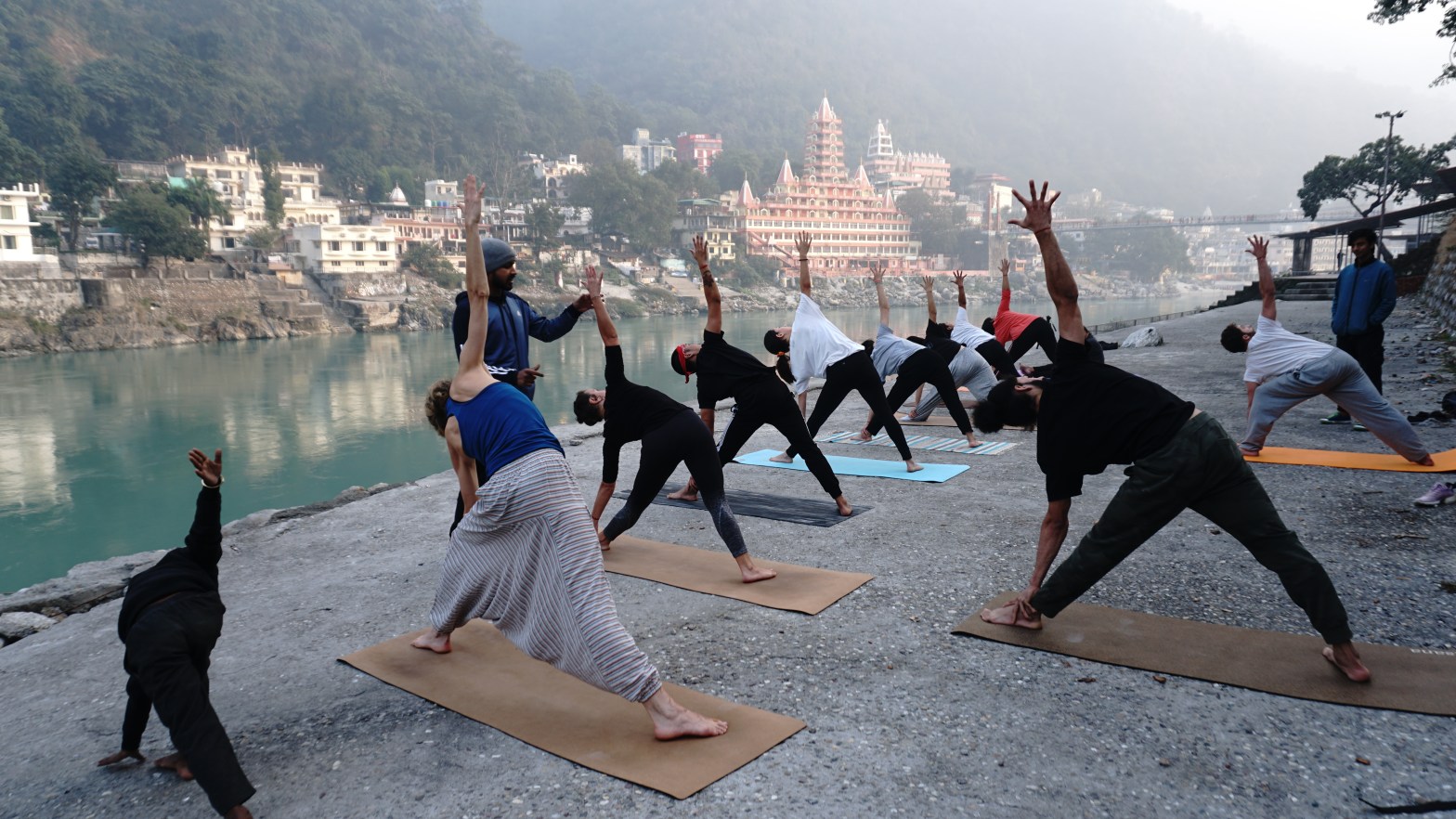
Yoga, the 5000-year-old practice, recently become hugely popular in the west after it was introduced the foreign soils back in the 1920s. Nowadays, people just consider yoga to be a bunch of asanas, with some breathing exercises and also some mediation. Yoga has almost become a part of pop culture as every other social media influencer is posting their yoga poses on their social media handles to show off their discipline lifestyle and their current yoga-practicing outfits. This has led people to think that just by practicing some asanas every day, you can attain that time figure and become flexible, which is far from the actual truth.
Yoga is not just about yoga pants, and mental wellbeing by doing a few minutes of meditation, yoga is much more than that. This practice has been developed 5000 years back by yogis, who considered the human body to be divided into three parts — the subtle body or the sookshma sharir, the physical body or the sthool sharir, and the causal body or the Karan Sharir. The practice was developed to harmonize all three parts of the human body, to liberate them.
The four elements of yoga :
The thirty-five principles fall under four basic elements of yoga, which is called sadhana chatusthaya. Here we discussed the four elements in brief.
Viveka – discernment and wisdom in making choices:
Viveka requires us to listen to our hearts, which is considered the source of conscience in yogic literature. The practice wants you to be the right decisions and know the difference between wrong and right, well and bad. But to achieve this, you need to clean your subtle body by cleaning, praying, and meditating. Doing this, your thoughts will gradually become clearer, and you will be able to hear what your heart has to say.
Vairagya – detachment and renunciation:
Vairagya is a state of mind when you realize the worldly attachments and materialistic things do not matter so much in life. You slowly learn the true meaning of like and let go of the materialistic things in life. You become happier, and you renounce them. You may feel this detachment, disappointment from experience when you lose someone close to you, or you indulge yourself into something you like too much and get tired of it over time. But this is not true vairagya; you achieve true vairagya and Viveka when you clean your subtle body, have a pure ego, and have a clear mind.
Shat-Sampatti – the six forms of attainment:
The six spiritual attainments include control of mind, control of the senses, separate, titiksha, Shraddha and Samadhana.
Mumukshutva – the craving for liberation:
The last element in yoga is liberation, but it is not the end of yoga but is just the start.
In the original yogic literature, yogis came up with thirty-five principles and methods. These methods are never meant to be practiced alone, and yet many who are not aware of the meaning of yoga, tend to do yoga wrong.
 Samadhi Yoga Ashram | Yoga Teacher Training in Rishikesh